

By Njeri Irungu.
Nairobi, Kenya — October 24, 2025 The Government of Kenya has launched a nationwide verification exercise under the National Youth Opportunities Towards Advancement (NYOTA) project, marking a major milestone in its mission to empower young people through entrepreneurship and job creation.
The NYOTA project — a five-year initiative funded by the World Bank — seeks to transform the lives of vulnerable youth by creating employment opportunities, supporting small enterprises, and promoting a culture of savings and self-reliance. The programme aims to reach over 820,000 young Kenyans aged between 18 and 29 years, and up to 35 years for persons with disabilities, across all 1,450 wards in the country.
Under the Business Support Component, 100,000 youth entrepreneurs will receive entrepreneurship training, mentorship, and a start-up grant of KSh 50,000 to help them launch or grow their businesses.
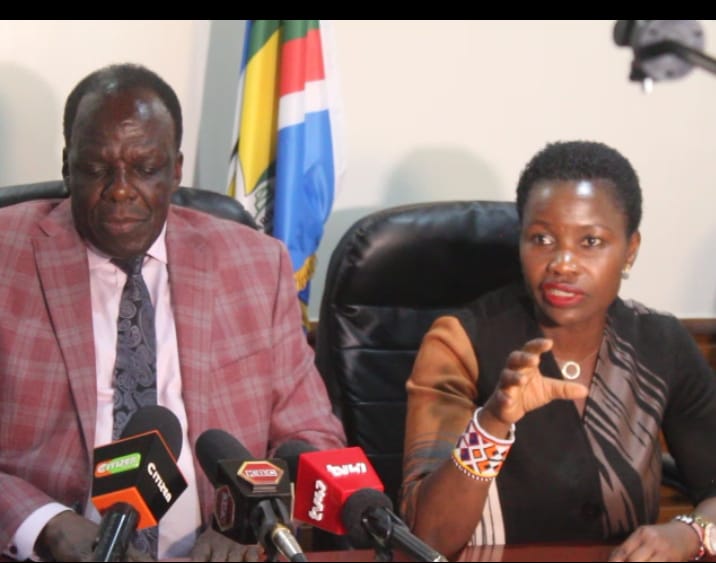
Speaking ahead of the exercise, Cabinet Secretary for Cooperatives and MSMEs, Hon. (FCPA) Dr. Wycliffe Ambetsa Oparanya, E.G.H., reaffirmed the government’s commitment to youth empowerment. “This project aims at transforming the lives of vulnerable youth. Over five years, NYOTA will create employment opportunities, enhance income generation, and promote savings among the youth,” he said.
The Physical Validation Exercise, which takes place today, Friday, October 24, 2025, will be conducted simultaneously across all 290 constituencies at their respective headquarters. The exercise is designed to confirm the authenticity and eligibility of applicants, ensuring that only genuine and qualified youth benefit from the programme.
Applicants are required to present themselves physically at their constituency validation centres, with their National Identity Cards, while persons with disabilities must also bring their disability identification cards for authentication. Key details such as residency, education level, gender, and employment status will be verified.
The validation will be led by Principal Secretaries, working alongside elected leaders, National Government Administrative Officers (NGAOs), and the NYOTA Project Implementation Team through a Whole-of-Government approach.
Each constituency has organised ward-based breakout stations to ensure a smooth and transparent process. Only those who present themselves physically will be considered responsive and eligible, and no repeat exercise will be held thereafter.
In addition, all applicants are required to complete the Entrepreneurship Aptitude Test (EAT) — a mandatory component of the final selection process. Those who have not yet undertaken the test will be allowed to do so on-site. The test can also be accessed by sending the word NYOTA to 40270, after which participants will receive 19 multiple-choice questions via SMS. It is free of charge, available in multiple languages, and can be completed on any mobile phone. The deadline for completing the EAT is Friday, October 24, 2025, at 12:00 p.m.
Principal Secretary Susan Mang’eni, from the State Department for MSMEs, reiterated the importance of the exercise. She emphasized that it ensures transparency and accountability, safeguarding the project’s integrity after challenges were encountered during the pilot phase in Western Kenya.
Once the verification exercise concludes, the NYOTA project team will spend three days analysing results and test performance reports. The final list of successful beneficiaries will then be announced, followed by induction and entrepreneurship training sessions in preparation for the business start-up phase.
“This exercise is not just a formality — it is a promise of opportunity,” Dr. Oparanya said. “We are equipping Kenya’s youth with the skills, capital, and confidence to create sustainable livelihoods and drive our nation’s economic growth.”
The NYOTA Project includes four core interventions: Recognition of Prior Learning (RPL), On-Job Experience (OJE), Business Support, and Digital Training on Access to Government Procurement Opportunities (AGPO) and the e-GP platform. Together, they form part of the government’s broader agenda to foster inclusive economic growth through youth transformation.